
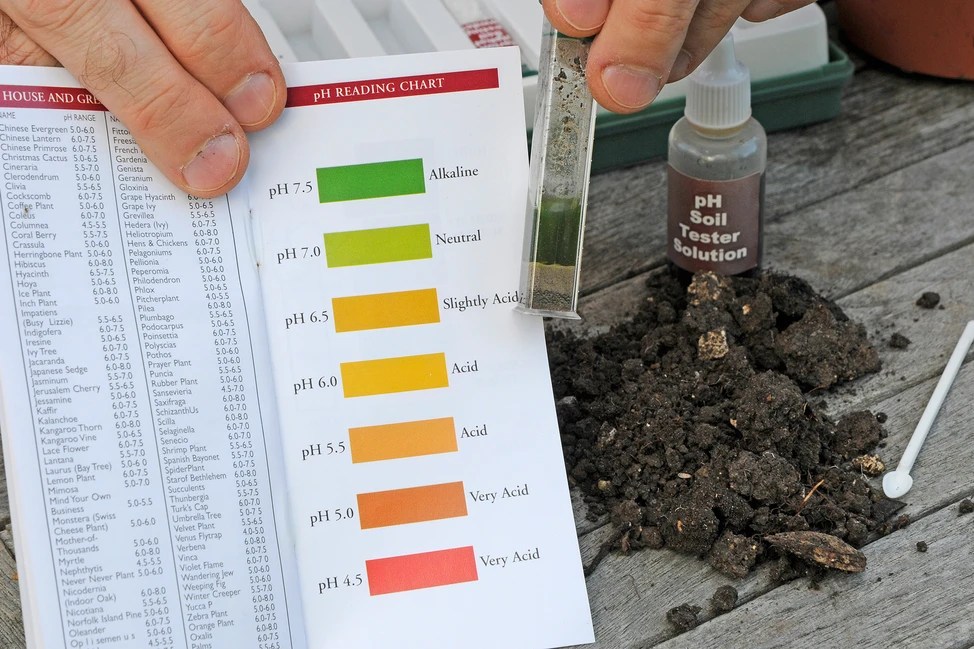
Soil pH is crucial for several reasons:
- Nutrient Availability: Soil pH affects the availability of essential nutrients for plant growth. Different nutrients are soluble and available to plants at different pH levels. For example, in acidic soils (low pH), nutrients like aluminum, manganese, and iron can become more soluble and toxic to plants, while in alkaline soils (high pH), nutrients like phosphorus, calcium, and magnesium may become less available.
- Microbial Activity: Soil pH influences the activity of soil microorganisms. Many beneficial soil microorganisms, such as nitrogen-fixing bacteria and mycorrhizal fungi, thrive within a certain pH range. Extreme pH levels can inhibit the activity of these organisms, affecting nutrient cycling and overall soil health.
- Toxicity: Soil pH can influence the toxicity of certain elements. For example, aluminum toxicity is more common in acidic soils, while molybdenum toxicity can occur in alkaline soils. These toxicities can harm plant growth and productivity.
- Soil Structure: pH influences soil structure and aggregation. In acidic soils, aluminum and iron toxicity can damage soil structure, leading to compaction and reduced water infiltration. In alkaline soils, dispersion of clay particles can occur, negatively affecting soil structure.
- Crop Suitability: Different plants have different pH preferences. Some plants, like blueberries and rhododendrons, thrive in acidic soils, while others, like asparagus and cabbages, prefer neutral to slightly alkaline soils. Adjusting soil pH can make the soil more suitable for specific crops.
- Pesticide Efficiency: Soil pH can influence the effectiveness of certain pesticides and herbicides. Some pesticides degrade rapidly in alkaline soils, while others may become more toxic in acidic conditions. Understanding soil pH can help optimize pesticide application and effectiveness.
Overall, monitoring and managing soil pH is essential for optimizing plant growth, maximizing crop yields, and maintaining soil health in agricultural and gardening practices.
 weststarfarmllc.com
Leave a comment