
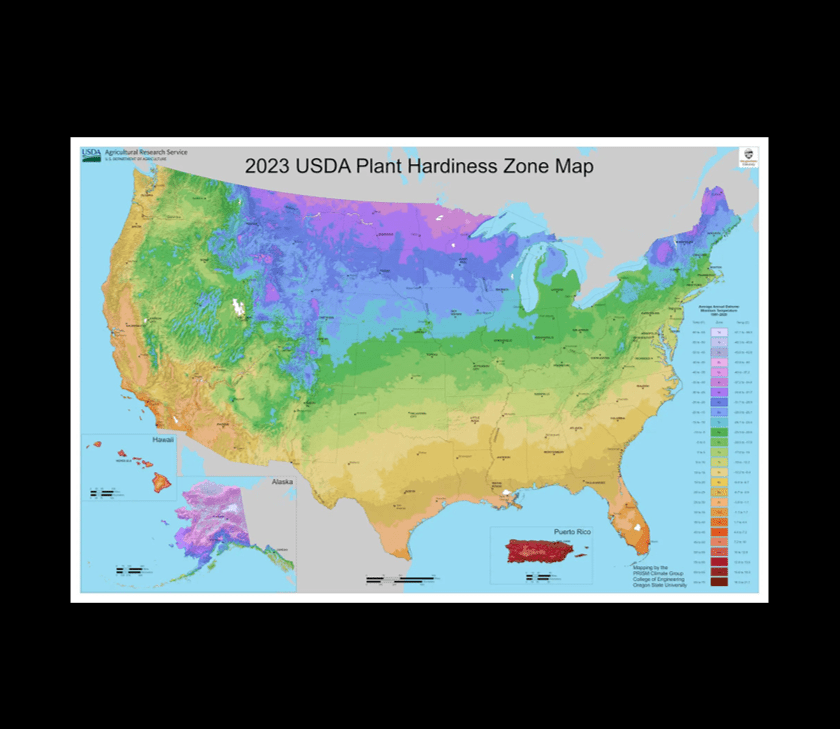
Hardiness zones are a system developed by the United States Department of Agriculture (USDA) to categorize regions based on their average minimum winter temperatures. This system helps gardeners determine which plants are most likely to thrive in their specific climate.
Each hardiness zone is assigned a number and letter combination, with lower numbers indicating colder average temperatures and higher numbers indicating warmer temperatures. For example, Zone 1a has the coldest average temperatures, while Zone 13b has the warmest.
When planning a spring garden, it’s important to consider your hardiness zone because it dictates the timing of when you can safely plant certain crops outdoors without risking damage from frost or cold temperatures. Here are some general guidelines for when to plant a spring garden based on your hardiness zone:
- Early Spring Vegetables: In colder zones (zones 3-6), start planting cool-season vegetables such as lettuce, spinach, peas, radishes, and carrots as soon as the soil can be worked and before the last frost date. For warmer zones (zones 7-10), you have a longer planting window, and you can start planting these crops earlier in the year.
- Transplants and Warm-Season Crops: Wait until after the last frost date in your area before planting warm-season crops like tomatoes, peppers, cucumbers, and squash. In colder zones, this may be in late spring or early summer, while in warmer zones, it can be as early as late March or April.
- Soil Temperature: Keep an eye on soil temperature in addition to frost dates. Many seeds won’t germinate until the soil reaches a certain temperature. Use a soil thermometer to monitor soil temperature and plant seeds accordingly.
- Frost Protection: Be prepared to protect your tender plants if there’s a late frost forecasted after you’ve already planted. Covering plants with row covers or cloches can help protect them from frost damage.
- Succession Planting: Consider practicing succession planting, where you stagger the planting of certain crops to ensure a continuous harvest throughout the growing season. This is particularly useful for crops like lettuce and radishes that mature quickly.
It’s important to note that while these guidelines provide a general framework, local conditions can vary widely, so it’s always a good idea to consult with local gardening resources or cooperative extension offices for more specific advice tailored to your area.
 weststarfarmllc.com
Leave a comment